Skip to content

admin

Mikhail Golichenko: “HIV Epidemic in Russia is an Epidemic of Powerlessness”

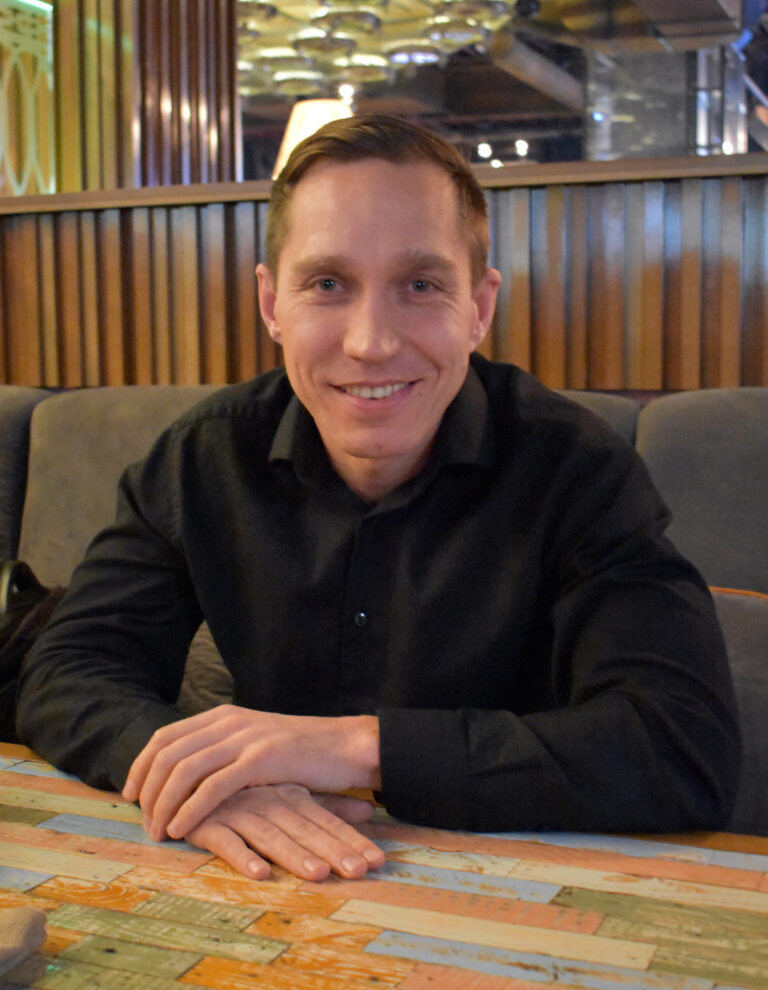
We discussed the human rights issues in the context of HIV in Russia with Mikhail Golichenko. Mikhail Golichenko is a lawyer and Senior Policy Analyst at the Canadian HIV/AIDS Legal Network — organization, which has a special consultative status at the United Nations Economic and Social Council. Previously, Mikhail was a Legal Officer with the UNODC Country Office in Moscow. His work is focused on the promotion of human rights and addressing legal barriers to accessing health rights and effective HIV/AIDS prevention and care programs for prisoners and people who inject drugs. He holds a Candidate of Sciences degree (PhD equivalent) in Law.

Read More

The Latest Global Prison Trends Publication Launched

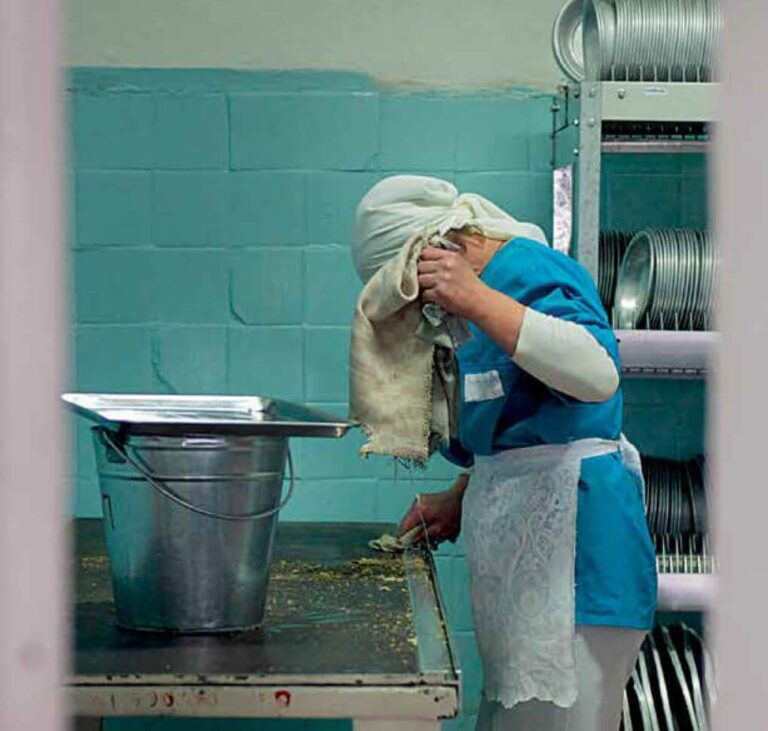
Last week, on 15 May 2018, Penal Reform International launched its annual flagship publication, Global Prison Trends 2018, at the UN Commission on Crime Prevention and Criminal Justice. A Special Focus section looks at the rehabilitation and reintegration of offenders in the era of sustainable development.

Read More

The needs of women living with HIV/AIDS in the Kyrgyz Republic

For several years in the Kyrgyz Republic, there has been a trend towards increased sexual transmission of HIV. The most vulnerable groups, along with injecting drug users (IDU), are women. HIV infection affects a whole range of problems – psychological, social and spiritual. Women, living in the conditions of “traditional culture”, are in a more difficult situation; gender inequality, which exists in the initial ethno-cultural environment, strengthens their social and economic problems. Women in particular, whose HIV status creates obstacles for the realization of basic needs, are particularly vulnerable in this regard, and therefore it has a negative impact on their quality of life. At present, services for HIV positive people (HPP) in the Kyrgyz Republic are universal, not taking into account the gender, which often limits access to legal, social, psychological and medical support for women living with HIV (WLH).

Read More

The AFEW Culture Initiative Presents EECA Food and Art Night in Amsterdam

The first edition of PLOV ARTxFOODxCINEMA is coming to Amsterdam on 29 of May. Culinary experiences and cinematographic impressions of Eastern Europe, the Caucasus and Central Asia will come together during the event organised by the AFEW Culture Initiative in collaboration with the partners IDFA and Studio/K. During the event, visitors will taste food from Eastern Europe and Central Asia (EECA): traditional Russian okroshka beetroot and kefir soup and traditional Asian plov (pilaf) dish. After dinner the documentary “Debut” by Anastasiya Miroshnichenko (Belarus, 2017) will be shown.

Read More

Martine de Schutter Scholarship Fund Launched

AFEW international sets up Martine de Schutter Scholarship Fund that allows participants from Eastern Europe and Central Asia (EECA) to attend the 22nd International AIDS Conference (AIDS 2018). Martine’s commitment to the international fight against AIDS and her unwavering support to the Eastern European region has set an example for us to follow. That is why AFEW International established the Scholarship Fund named after Martine de Schutter – our friend and fellow activist.

Read More

EECA Success on the Road to AIDS 2018

The total of 603 abstracts from Eastern Europe and Central Asia (EECA) were submitted to 22nd International AIDS Conference AIDS 2018 to be held in July in Amsterdam, the Netherlands. 182 abstracts out of them were selected for the abstract book, posters and oral presentations. These results were achieved with the support of AFEW International, Dutch Ministry of Foreign Affairs and in partnership with EECA regional networks EHRA, ECOM, ECUO and GNP+.

Read More

An Award after HIV and Prison

Tamar Gakhokidze is a social worker in NGO Gepa Plus. She helps HIV-positive people and people with drug dependency. Last year, she received the Frida and Edita Sisters Award (which honours those who work within communities at the national and international levels in Armenia, Georgia, Azerbaijan, Belarus, Moldova, Russia and Ukraine – author’s remark) for leadership in social activism that improves the quality of life of key population groups and inspires other people to be socially active.

Read More